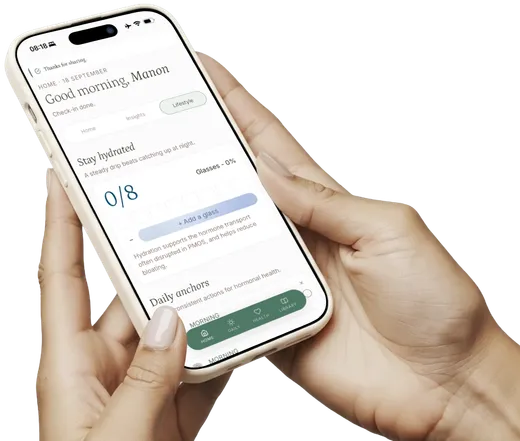




 PMOS
PMOS Symptoms: 50+ Signs Across 8 Categories
PMOS is not just about irregular periods. It affects your skin, hair, energy, mood, digestion, appetite, cognition, and more. Here is the full picture.
Learn how PMOS may show up, why symptoms can be difficult to connect, and how a clear health history can support more focused conversations with your care team.
Polyendocrine metabolic ovarian syndrome (PMOS) is a common, long-term hormonal condition. Its name reflects that it can involve several hormone systems, metabolism and the ovaries.
Why PCOS was renamed PMOSBecause it touches different areas of health, PMOS may affect periods, skin and hair, energy, mood and metabolic health. Which symptoms appear, and how strongly, varies from person to person and can change over time.
There is no single PMOS experience.
Symptoms may appear across several areas of health, and they may change over time. These are some of the ways PMOS is commonly described.
Changes to how often periods arrive are one of the most commonly described signs. Some people have no clear pattern at all.
Higher levels of hormones called androgens can show up on the skin and hair, sometimes long before other signs.
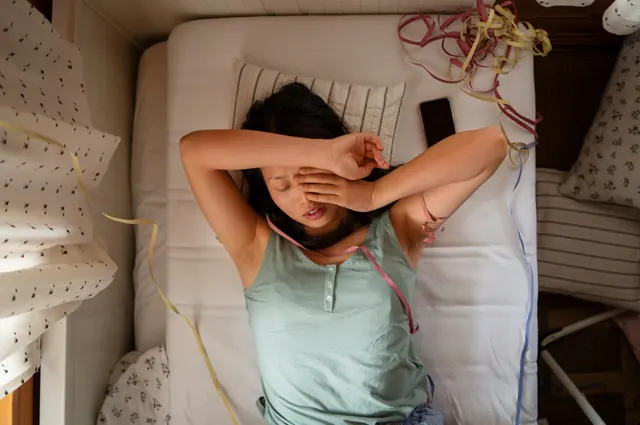
Many people describe tiredness that is hard to explain and that rises and falls over weeks or months.
PMOS is linked with mental health as well as physical health. These experiences are common and worth raising with your care team.
PMOS can affect how the body uses insulin, which may be checked by a doctor through routine tests.
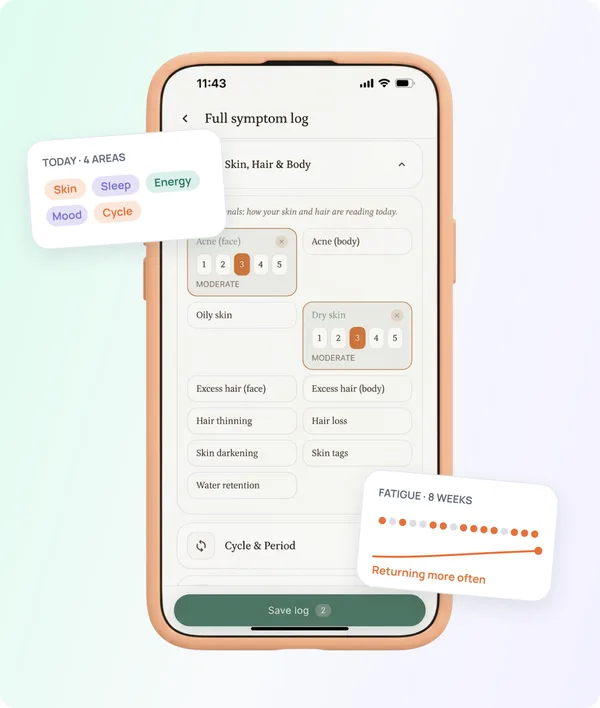
Connecting the dots
Symptoms show up at different times and in different parts of your body. Seen together, they start to make sense.

Bring cycle changes, skin, sleep, energy, mood and physical symptoms together.

Notice what appears occasionally, what returns and what may be shifting.

Keep medication, routines and optional cycle information alongside what you notice.

Use a more complete history to prepare questions and explain your experience.
Keep reading
PMOSPMOS is not just about irregular periods. It affects your skin, hair, energy, mood, digestion, appetite, cognition, and more. Here is the full picture.
 PMOS
A PMOS diagnosis can take years and multiple doctors. This guide walks you through the diagnostic criteria, the tests to ask for, and how to advocate for yourself.
 PMOS
PMOS is a long-term condition. Managing it well means building habits across nutrition, movement, sleep, mental health, and self-advocacy, adapted to your phenotype.
PMOS is diagnosed by a healthcare professional. This usually involves talking through your symptoms and history, a physical examination and tests such as blood tests, and sometimes an ultrasound. Other conditions with similar symptoms are ruled out first. A GP is a good place to start.
Yes. Symptoms can shift with age, life stage, stress, sleep, medication and other changes. Something that bothered you a lot a few years ago may ease while something new appears. A record kept over time helps you and your care team see these changes.
No. Many women with PMOS have highly irregular or absent cycles. Josie works just as well if you focus on symptoms, mood, energy or medication. Your cycle is one input, not the centre of the app.
No. Josie is a wellness and symptom-tracking tool, not a medical device. It helps you keep a clear record, notice patterns and prepare for appointments. Diagnosis and treatment decisions belong with a healthcare professional.
Be part of building the tool that should have existed years ago.