How Josie is made for PMOS
Josie is designed for PMOS (formerly PCOS) from the start, not adapted from a period tracker. This page explains how we decide what goes in the app, how its content is checked, where its limits are and how your health data is handled.
Clear limitsNot a diagnostic device Your dataGDPR · Article 9 special-category data Medical reviewReviewed by a clinician on our editorial board
Supported by


Our principles
Three questions behind every feature
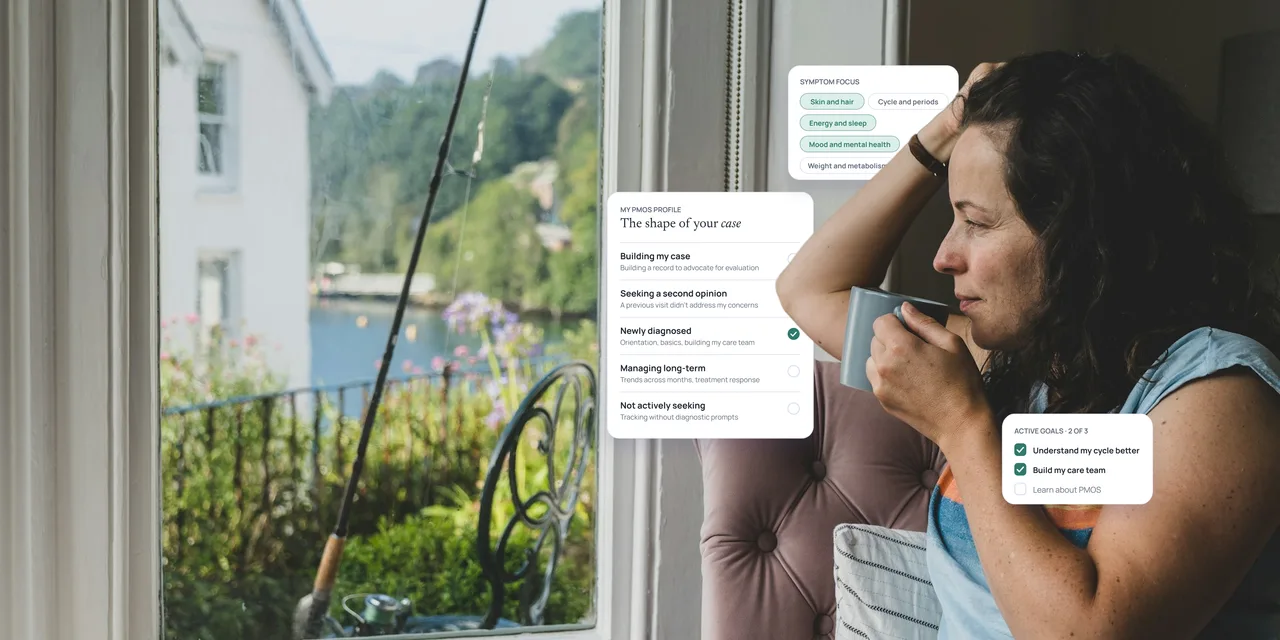
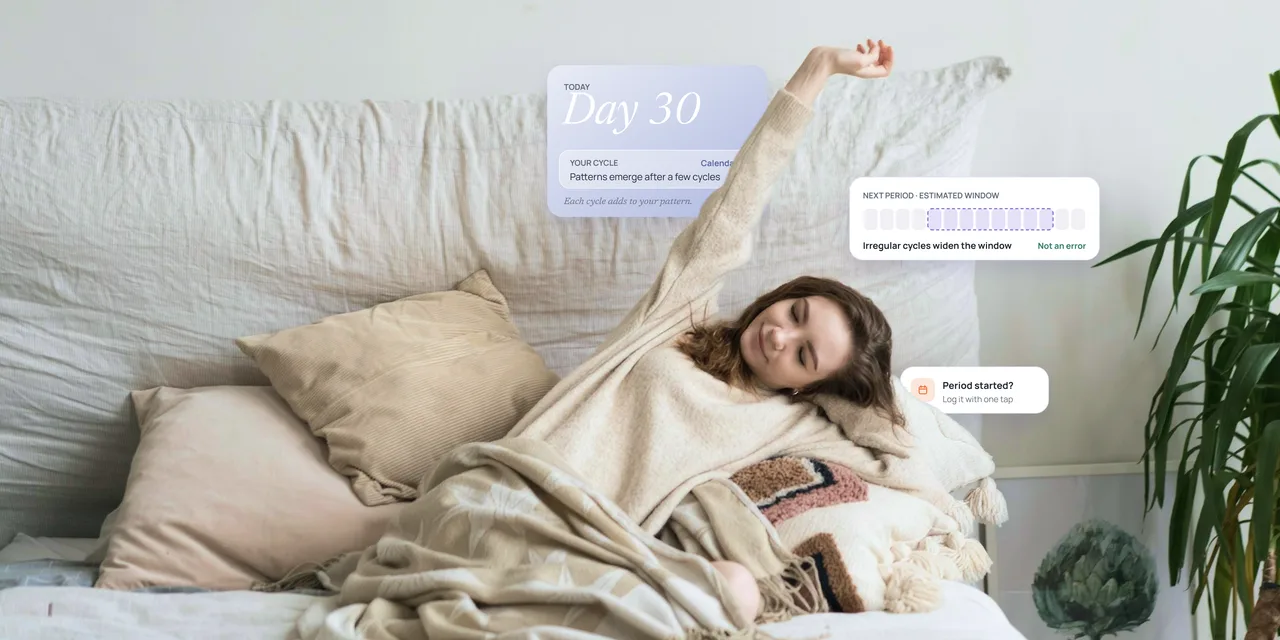
Choose your situation
Every feature exists so you can describe what you live with to a clinician, with your own record behind it: symptoms, cycles, medication, lab results and appointments in one place.
Medical review
Content you can rely on
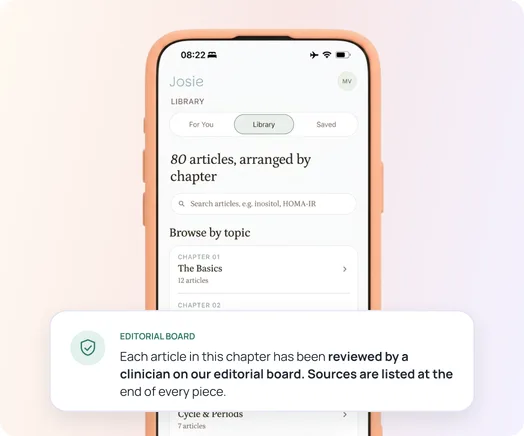
The app's library has 70 articles arranged in chapters, from the basics of PMOS to managing care, treatment and symptoms. Each article is reviewed by a clinician on our editorial board, and sources are listed at the end of every piece.
70
Articles in the app's library
arranged in chapters, each reviewed by a clinician
Researched
Written from published guidelines and research.
Reviewed
Checked by a clinician on our editorial board.
Referenced
Sources listed at the end of every article.
Clear boundaries
A companion to your care, not a replacement


Josie does
Records symptoms, cycles, medication, lab results and wearable data Shows patterns over time Prepares a Visit Brief and an Evidence Report Explains which specialists treat which parts of PMOS Points you to support

Josie does not
- Diagnose PMOS
- Recommend or change treatment
- Interpret your lab results
- Replace your GP, gynaecologist or endocrinologist
Privacy and control
Your health information stays in your hands
Your health information is personal. Josie helps you organise and use it while keeping you in control of what you record, include in a report and choose to share.
Track what matters to you
Choose which symptoms, medications, cycle details and other health information you want to record.
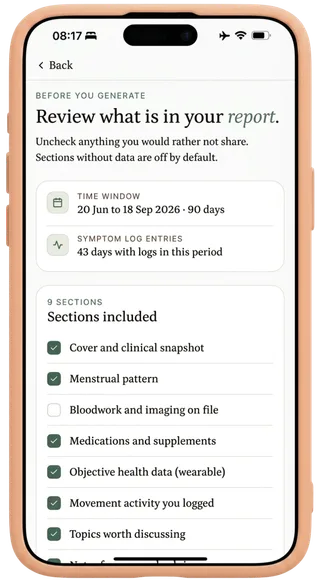
Review before you share
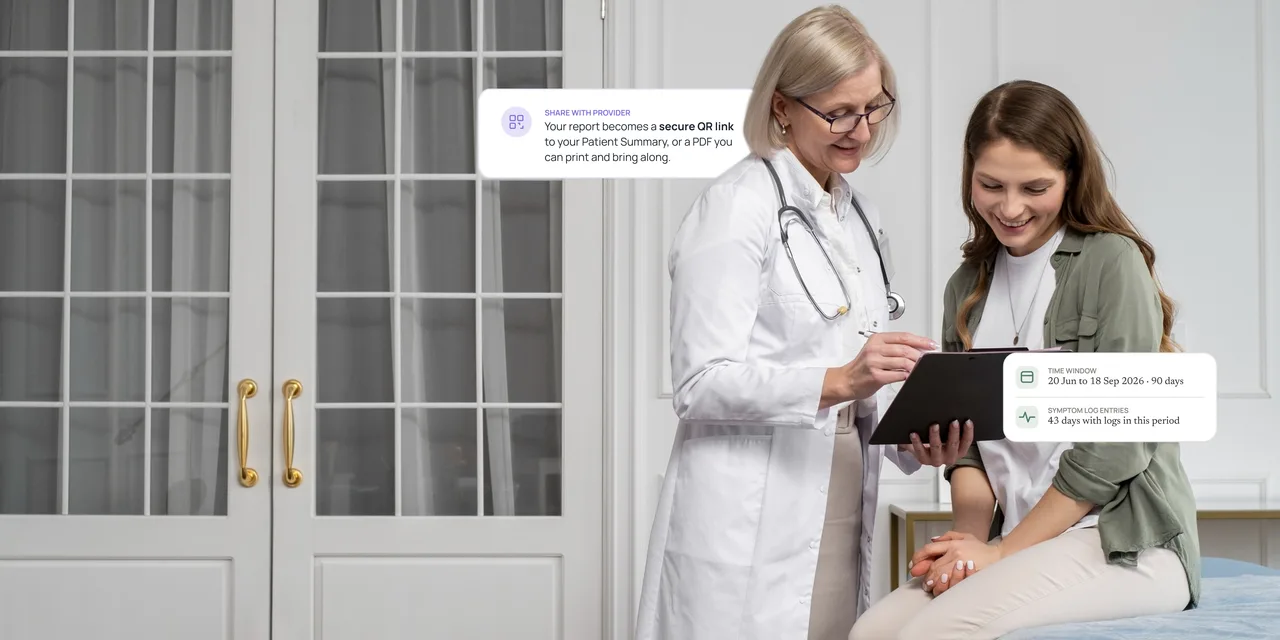
Select the reporting period and sections you want to include in your Visit Brief or Evidence Report.
Manage your record
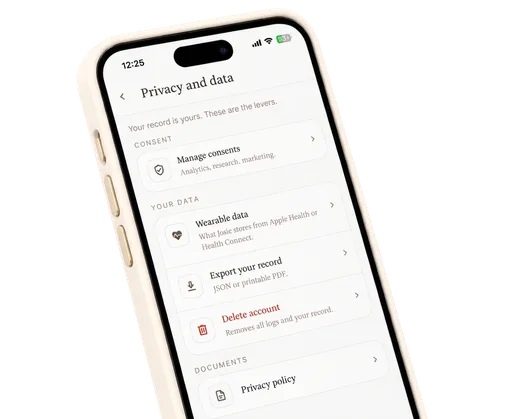
Export your information or remove it from your account when you choose.
Stored in the EU Encrypted at rest (AES-256) Encrypted in transit (TLS) Never sold or used for advertising
FAQ
Questions about trust and privacy
Still unsure? These are the questions people ask us most.
No. Josie helps you record and review your own health information; it is not a diagnostic device. It doesn't diagnose or treat PMOS, and it doesn't replace your clinician.
Every article in the app's library is reviewed by a clinician on our editorial board, and its sources are listed at the end. The values you enter yourself, such as lab results, are for your own record and are not reviewed by a clinician.
Yes. Josie adapts to where you are: building your case, seeking a second opinion, newly diagnosed, managing long-term, or not seeking a diagnosis right now.
You. Your health data is processed only to provide the service to you, and a report leaves your phone only when you share it. A small number of service providers, such as our email and subscription providers, help run Josie under GDPR data-processing agreements.
On servers in the EU, in line with GDPR. Josie never transfers your health data outside the EU, and it is encrypted at rest (AES-256) and in transit (TLS).
No. Josie never sells your data or uses it for advertising, and your health data is not used to train AI models.
Yes. You can export your data at any time and request account deletion in Profile > Privacy and data. Your personal data is permanently deleted within 30 days, including data held by our service providers.
Only if you opt in. With your consent, anonymised and aggregated data may contribute to future PMOS research, in a way that cannot identify you. You can withdraw this consent at any time without affecting your account.
Start your own PMOS record today
About a minute a day. A clearer story at your next appointment.